
Agree the disclosure route before sharing the design.
Prepare a PCB NDA request with the right parties, purpose and file scope. Start with a non-confidential outline, then agree the document review and transfer method.

Prepare a non-confidential NDA enquiry
Choose the project stage, proposed agreement route and broad file categories. This tool creates a summary in your browser. It does not upload files, send a message, store the summary in an account or execute an agreement. Do not enter secrets here; share restricted details only through the agreed route.
Changing a selection rebuilds the summary and replaces manual edits. Copy your edited version before changing selections.
Start with the purpose of the disclosure
A PCB NDA discussion is most useful when the intended work is clear. Explain whether you are exploring manufacturability, requesting a quotation, reviewing a material alternative or preparing a production handoff. The information needed for each stage can differ. A broad, non-confidential description often provides enough context to identify the next step before detailed files are shared.
For an initial enquiry, describe the circuit category, approximate layer architecture, material family and the question you need answered. Leave out customer-sensitive implementation details when they are not needed for that first discussion. If you have an internal disclosure policy, follow its approval route and tell the team which review steps must be completed before technical exchange.
This page is a preparation guide, not a standalone confidentiality agreement or a statement that a contract has been accepted. The applicable agreement and confirmed handling arrangements determine the obligations for a particular exchange. RFPCB can discuss the review process with your team; the website planner cannot approve legal terms on behalf of either party.
A clear sequence before confidential file review
Identify the parties
Confirm the intended legal entities, document-review contacts and authorized signatories. A website brand, sales contact and contracting entity may serve different roles; use the correct details in the proposed document.
Review the document and scope
Explain the project purpose, information categories and intended recipients. Ask the parties to resolve the terms and any special handling requirements through their normal review process.
Confirm the handoff
After the required approvals, confirm the file-transfer route, recipient and revision package. Keep the agreement reference and the technical release record connected to the project.
Sending an enquiry, copying the planner output or uploading a document does not itself establish that an agreement has been executed. Obtain the relevant confirmation from the parties before relying on a proposed document as the basis for disclosure.
Match the file package to the review
Fabrication data
Gerber or another agreed manufacturing format, drill files, outline, stackup and fabrication notes can reveal substantial design information. Coordinate the required scope and provide one coherent revision after the disclosure route is agreed.
Assembly and sourcing
A BOM, approved manufacturer part numbers, placement data and assembly drawings can expose product architecture and sourcing choices. Identify who needs each part of the package for quotation, procurement or assembly review.
RF and test information
Operating conditions, acceptance limits, models, firmware and test fixtures may have different sharing requirements. State the purpose of the review and separate required production information from unrelated background material.
Topics to bring to your agreement review
| Topic | What to clarify | Why it helps the project |
|---|---|---|
| Parties and purpose | Named entities, contacts and the intended evaluation or manufacturing activity | Connects the proposed agreement to the actual exchange |
| Information scope | File categories, samples, discussions and any marking or identification process | Helps the teams recognize the information being handled |
| Recipients and access | Who needs the information, including any proposed external parties | Allows sharing requirements to be reviewed before transfer |
| Handling and transfer | Approved channels, recipient verification and project-specific restrictions | Creates a practical handoff plan |
| Retention and closeout | Applicable retention, return, deletion or recordkeeping requirements | Avoids assumptions about what happens after the work |
| Changes and publication | New recipients, changed scope, and permission for photos or public references | Keeps later uses within the agreed review process |
These questions organize the discussion without choosing terms for either party. If a topic is important to your organization, raise it explicitly with the people responsible for the agreement. Do not assume a general website statement replaces the agreed document or establishes a particular technical-security control.
Prepare a controlled technical package
Once the required process is complete, give the package a clear project reference and revision. Include a file list so the recipient can identify the intended contents. A revised drill file paired with an older fabrication drawing can create ambiguity even when the disclosure itself is properly authorized. Version control is part of a reliable engineering handoff.
Identify the person who can answer technical questions and the person who can approve changes. If a material alternative, geometry adjustment or assembly substitution is proposed, record the response in the project revision trail. A confidentiality agreement does not by itself authorize a manufacturing change or resolve a contradictory drawing.
Share only the files needed for the agreed activity. If different parts of the project have different restrictions, identify them before transfer and ask how the review can be organized. Use the RF PCB design guide to structure the engineering package once the disclosure scope is established.
Keep the commercial and technical conversations connected
An NDA request can run alongside a non-confidential discussion of the desired quantity, application category and target schedule. This allows the team to identify the likely review route without requiring an early release of restricted implementation details. The quotation may remain preliminary until the detailed construction and test requirements are available.
If you already have an agreement with a related entity or for an earlier project, ask whether it covers the current parties, purpose and exchange. Do not assume that a familiar brand or contact automatically establishes coverage. The team can direct the question to the appropriate document-review contact.
For a time-sensitive project, include the desired review date and any internal procurement steps. Separate the agreement-review milestone from manufacturing release in the lead-time planner. Document review, engineering review, material confirmation and production scheduling are distinct activities; a fast response to an enquiry does not mean all of them are complete.
Public factory imagery and private project information
The photographs below are shared factory archive images. They explain the manufacturing context and do not disclose the contents of an individual customer design. Publication of a customer board, drawing, test result or case study should be reviewed separately under the relevant permission and agreement.

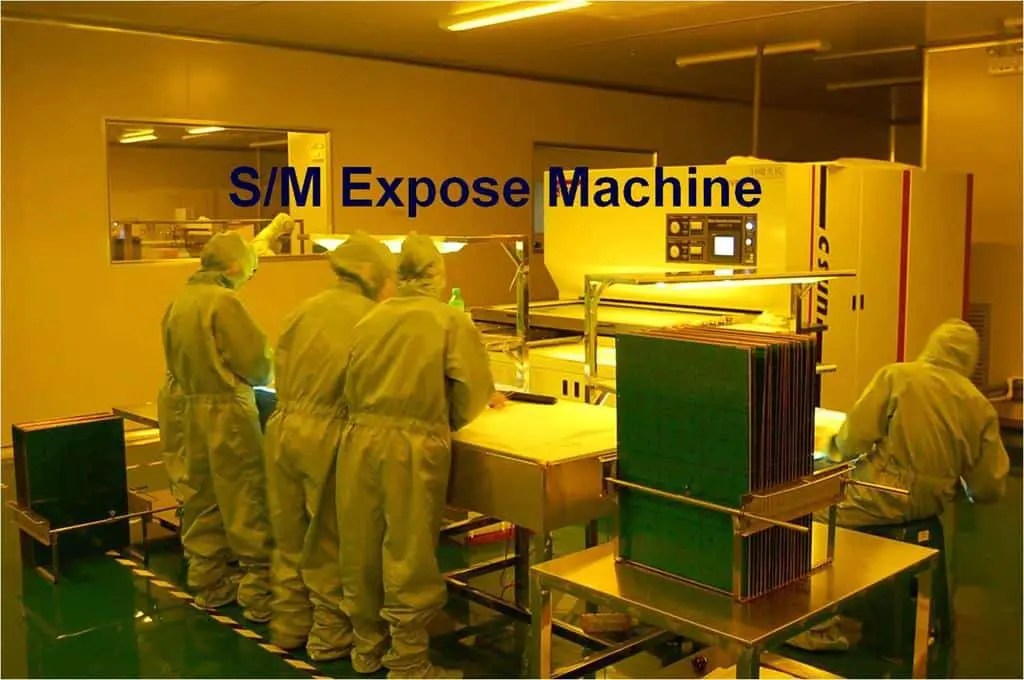

For a reference request, describe the technical topic and the evidence you need. The engineering examples page provides public scenarios without presenting them as confidential customer projects.
NDA enquiry preparation checklist
Select what is ready. This checklist runs locally and does not upload files or place an order.
Close the information handoff with a clear record
Keep a record of which revision was shared, the intended recipient and the purpose of the exchange. When a package is replaced, identify the superseded version and the current files. This helps the engineering team avoid reviewing an obsolete construction and gives your own organization a practical record of the project handoff.
At project closeout or when the work changes, ask whether any agreed handling actions remain open. Route requests about return, deletion, retention or further disclosure to the appropriate contacts under the applicable documents. A planner summary is useful for communication, but it is not evidence that those actions have been completed or that a proposed obligation has been accepted.
Continue your supplier review
Understand the process
Review the factory, manufacturing capabilities and quality and test scope together. Match the production route and requested records to the board you intend to build.
Prepare the engineering package
Use the RF PCB design guide, stackup concepts and engineering examples to organize the decisions that remain open before quotation.
Plan the handoff
Review the NDA request process before confidential disclosure. Use the lead-time planner to discuss the required ship date and arrival date separately with the team.
Frequently asked questions
Does this page create or sign an NDA?
No. This page explains how to prepare an NDA request. The planner creates a local enquiry summary; it does not sign, accept or create an agreement.
Can I send my company NDA for review?
Ask the team to confirm the intended contracting entity and document-review contact. Share your proposed form through the agreed route before sending restricted technical files.
Should I upload confidential Gerbers before agreement?
If an NDA is required for your disclosure, complete the agreed document process and confirm the transfer route first. A non-confidential project outline can start the discussion.
Are retention and deletion terms fixed on this page?
No. Ask the parties to agree the relevant handling, retention, return or deletion requirements in the applicable documents. This page does not promise a universal retention period.
Related process information
Continue to contact RFPCB, review the factory qualification route or prepare the test and documentation scope. This page describes an enquiry process; no downloadable contract or online signing service is offered here.
Start the conversation before sending restricted files.
Use the planner summary to request the document-review contact and agreed transfer route. Keep the first message non-confidential.
Ready for a quotation?
Send your requirements for a material, stackup and manufacturing review. Price and schedule are confirmed for your project.