
Plan the ship date. Then plan the arrival.
Separate engineering review, fabrication, parts, assembly and transport. Build a transparent schedule from your assumptions, then ask the team to confirm material availability and the production slot.

RF PCB lead-time planner
Illustrative planning tool, not a delivery promise. Replace the example day counts with values discussed for your project. Working-day stages skip Saturdays and Sundays only. Public holidays, factory closures, time-zone cutoffs and customs are not automatically included. No live stock or capacity data is used.
What RF PCB lead time actually includes
RF PCB lead time is most useful when the start milestone and finish milestone are explicit. A manufacturing interval may describe the time from an approved production package to dispatch, while your project schedule begins earlier and ends later. File preparation, agreement review, technical questions, material sourcing and transport can all sit outside the quoted fabrication interval.
Ask for the expected ship date and the expected arrival date separately. The ship date depends on the accepted build plan and production release. Arrival also depends on the selected transport service, destination, customs process and receiving arrangements. An urgent prototype is not on time for your engineering team merely because it leaves the factory before the test date.
This page helps organize those stages without turning a generic day count into a promise. The interactive planner uses your inputs, not current factory availability. Share the output with the team to identify which assumptions are confirmed and which require a material, commercial or scheduling decision.
Make every stage visible
| Stage | What must be clear | Common open item |
|---|---|---|
| Enquiry and review | Revision, construction, quantity and acceptance requirements | Incomplete stackup or conflicting drawings |
| Material confirmation | Exact grade, thickness, foil and bonding materials | Unconfirmed availability or proposed substitution |
| Fabrication | Released process route and production slot | Special features or extra process cycles |
| Component readiness | Approved MPNs, quantities and sourcing responsibility | Missing or allocated components |
| Assembly and test | Placement data, fixtures, programming and acceptance plan | Test method or fixture not ready |
| Dispatch and transport | Documents, packaging, service and destination | Carrier cutoff, customs or receiving constraints |
A quotation-response target is separate from a production lead time. An early commercial response may still depend on complete files and confirmation of the detailed scope. Confirm the conditions attached to a fast-turn proposal rather than applying a general website headline to every material and construction.
Why the exact RF construction changes the schedule
Specify the complete material system, including grade, dielectric thickness, copper option and bonding layers. A material family can include several constructions with different availability. A change that appears minor to procurement may alter the impedance model, lamination plan or qualification evidence, so an alternative needs engineering review as well as a price comparison.
Hybrid stackups, sequential lamination, special drilling, cavities and unusual finishes can add process dependencies. The question is not simply whether a machine exists, but whether the proposed route, tooling and inspection plan are ready for the current design. Use the capability pages to identify the information needed for that review.
For a tight schedule, identify the requirements that are fixed and the choices that are genuinely open. A discussion of available constructions is useful when the design can accommodate them. It is less useful to approve an unreviewed substitute solely to preserve an early date and discover later that the electrical model must be rebuilt.
Parallel work can shorten a plan only when dependencies allow it
The planner can start fabrication and component sourcing at the same release milestone. In that scenario, assembly waits for the later of the two completion dates. The calculation therefore uses the longer path rather than adding both durations. This is a planning assumption: purchasing authority, approved BOM data and the required commercial arrangements must make that parallel start possible.
Choose sequential sourcing when parts procurement begins after fabrication. For bare boards, the component and assembly fields are disabled and excluded. A real turnkey project may include several procurement paths, incoming inspection, partial kits or an external fixture supplier; represent additional uncertainty through an explicit allowance and discuss the detailed dependencies with the team.
The start date is day zero, and each positive working-day duration begins counting on the next weekday. A weekend planning start is moved to Monday. Transport is added in calendar days after estimated dispatch. The tool does not simulate courier pickup cutoffs, regional working calendars or public holidays, so its dates remain scenario outputs until confirmed.
Reduce avoidable delay before asking for an expedite
Release one coherent revision
Keep fabrication data, drill files, outline, stackup and assembly files aligned. Mark superseded files clearly and give the reviewer a concise list of changes. A clean package reduces clarification loops.
Name the decision owner
Identify who can approve material alternatives, DFM changes and test-scope decisions. A fast engineering question does not help if it waits several days for an internal response.
Prepare parts and test requirements
For PCBA, confirm approved MPNs and sourcing responsibility. Include firmware, fixtures and test instructions early enough that assembly completion is not followed by an unplanned test delay.
Plan transport as part of the engineering schedule
State the destination and the date by which the boards are needed for your test, line or event. Clarify packaging, documentation and any receiving restrictions. Shipping service availability and customs processing depend on the actual route and shipment details; they cannot be inferred from the PCB manufacturing duration alone.
Keep a buffer between estimated arrival and a critical activity when your project requires it. If a delay would stop a larger program, discuss whether a partial shipment or staged build is appropriate and have the commercial and technical effects reviewed. Do not assume that a partial release leaves every quantity, inspection and price condition unchanged.
When comparing suppliers or quotation options, compare the same milestones. A five-day fabrication interval and a five-day delivered commitment are different statements. Ask which calendar is used, what prerequisites start the clock and how a design change affects the confirmed date.
A schedule follows the actual manufacturing route
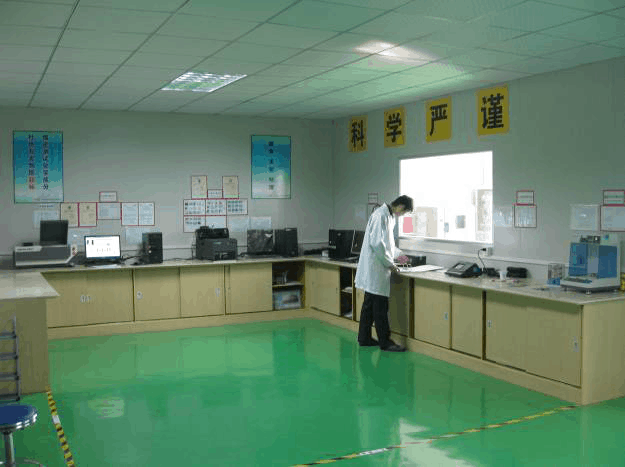
The shared factory photographs below show process areas that sit behind a production plan. They are not a live view of queue length or available capacity. A reviewed schedule connects the accepted construction, process sequence and release conditions to the requested delivery milestone.


Keep the schedule current after release
Record the agreed revision, quantities and milestones with the order. When a requirement changes, ask for the impact on material already purchased, work in progress, inspection and transport. An updated drawing can invalidate an earlier schedule even when the visible change appears small.
Use one project summary to track the open action, responsible party and required decision date. Ask for an updated milestone when an assumption changes rather than treating an earlier estimate as permanently fixed. The quality review and design handoff guide help keep the acceptance package aligned with the schedule.
Prepare a schedule confirmation request
Select what is ready. This checklist runs locally and does not upload files or place an order.
Continue your supplier review
Understand the process
Review the factory, manufacturing capabilities and quality and test scope together. Match the production route and requested records to the board you intend to build.
Prepare the engineering package
Use the RF PCB design guide, stackup concepts and engineering examples to organize the decisions that remain open before quotation.
Plan the handoff
Review the NDA request process before confidential disclosure. Use the lead-time planner to discuss the required ship date and arrival date separately with the team.
Frequently asked questions
Does the planner show current factory availability?
No. It calculates dates from your entered assumptions and does not read material stock, factory capacity or courier schedules. Request a reviewed quotation for confirmed dates.
When does manufacturing lead time begin?
Confirm the start milestone in the quotation. It generally depends on the agreed technical release, material availability and commercial prerequisites, rather than the time files were first uploaded.
Does the tool include holidays and customs?
It skips Saturdays and Sundays for working-day stages. It does not automatically include public holidays, factory closures or customs delays. Add an explicit allowance and confirm the actual schedule.
Can fabrication and component sourcing run in parallel?
The planner offers a parallel scenario when both can start at technical release. Assembly begins after both entered paths are complete. Use sequential mode if sourcing begins only after the bare board is ready.
Related scheduling references
The shared manufacturing site discusses the difference between review, fabrication, assembly and transport in its PCB lead-time guide. General examples are not RFPCB order commitments. Use the contact page to request a construction-specific quotation and confirmed schedule.
Request a date tied to your actual build.
Send the required arrival date, destination and complete technical scope. Include the planner assumptions so the team can confirm the material, process and scheduling dependencies.
Ready for a quotation?
Send your requirements for a material, stackup and manufacturing review. Price and schedule are confirmed for your project.