
Cost planning · Transparent assumptions
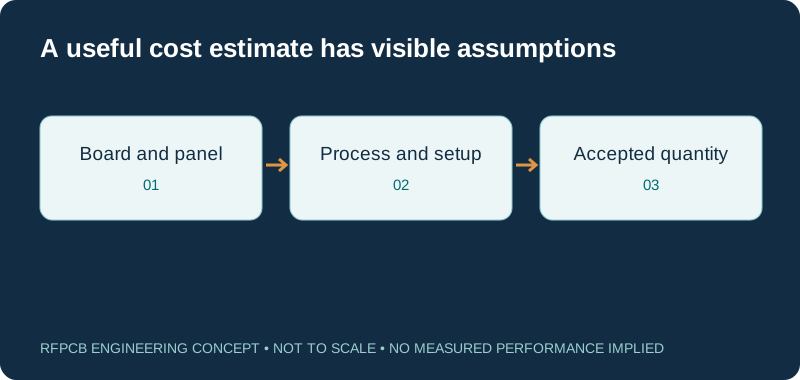
RF PCB cost depends on the complete manufacturing job: material allocation, fabrication, setup, inspection and delivery. Use this calculator to compare your own quoted assumptions and see how quantity and panel utilization affect the effective unit cost.
There is no dependable universal RF PCB price per square centimeter. Two boards with the same area can have different material allocation, layer construction, processing and test requirements. This calculator is an editable budgeting model; the default rates are examples and are not RFPCB prices.
What belongs in an RF PCB quotation?
| Cost component | How to enter or compare it | Common scope question |
|---|---|---|
| RF material allocation | Rate per usable production panel | Does the rate include all specified RF core layers? |
| Variable fabrication | Rate per accepted finished board | Does it include the agreed finish and ordinary inspection? |
| Setup and tooling | One-time job charge | Is a repeat order priced on the same revision? |
| Additional testing | Separate total allowance | Are RF fixtures, coupons and reports included? |
| Delivery | Separate shipping allowance | Are duties and taxes excluded or included? |
| Assembly | Quote separately from this bare-board model | Are components, placement and functional tests required? |
RF PCB cost calculator
All default prices and yield are illustrative inputs, not RFPCB rates. The panel area must already exclude rails and coupon reservations. Only a uniform rectangular grid and a 90-degree rotation are compared; mixed nesting and irregular shapes are excluded.
How the RF PCB cost calculator works
The tool compares two uniform rectangular orientations on your entered usable panel. It calculates boards per panel, applies a planning yield and rounds the required panel count up to a whole number. Material allocation equals that panel count multiplied by the entered panel rate. Variable fabrication is calculated per accepted board, with setup, special testing and shipping added separately.
The effective unit figure divides the complete scenario total by the accepted-board quantity. This makes fixed costs visible. It is not the same as the variable fabrication input, and it should not be compared with a supplier unit price that excludes setup or other required charges.
Enter a usable panel rather than a raw sheet size
Production panels need space for handling rails, tooling, coupons and separation. The width and height entered here should already exclude areas that cannot carry your board grid. The spacing field represents the gap between neighboring rectangular board envelopes, not an automatic allowance for every manufacturing feature.
Irregular outlines, mixed nesting, assembly rails and special coupon positions can change the practical layout. Ask for a panel review before redesigning a product enclosure around the result. A mathematical fit is useful for discussion but does not approve the actual production panel.
Treat yield as a planning assumption
Yield affects how many panels are budgeted to obtain the required accepted quantity. The default value is illustrative and does not represent a factory performance statement. A real quotation may use a different costing method or include yield risk inside its rates rather than exposing it as a separate input.
Avoid counting the same allowance twice. In this model, variable fabrication is entered per accepted board, while yield changes panel material allocation. If a quoted rate is instead per processed panel or gross board, convert it consistently or ask the supplier for a comparable breakdown.
Why material grade and layer arrangement affect cost
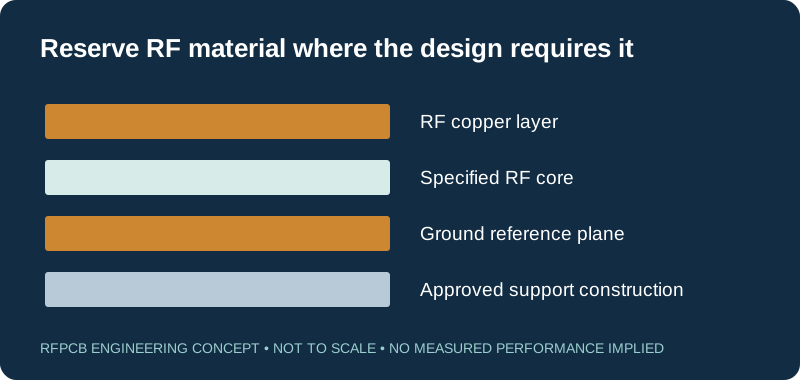
The selected laminate is only part of the material definition. Core thickness, copper foil, bonding products and how many dielectric regions require RF material influence the allocation. A board described as four layers with Rogers on one RF region is different from an all-RF-material construction with the same copper-layer count.
Use the hybrid stackup guide to distinguish these options. Compare approved constructions with identical electrical requirements. The tool does not apply hidden material multipliers or assume a fixed discount for a hybrid board; enter the rates relevant to each reviewed proposal.
Separate necessary process complexity from avoidable constraints
Blind or buried vias, sequential lamination, filled microvias, cavities, heavy copper and special edge features can add process steps. Tight tolerances and additional inspections may also change the quotation. These features may be essential, but the drawing should explain their purpose and identify the dimensions that are truly critical.
The RF DFM checklist helps expose incomplete or conflicting requirements. Ask whether a proposed simplification preserves the product function before changing the specification. A lower price obtained by removing a required operation is not a like-for-like saving.
Compare prototype and repeat-production quantities
A prototype often spreads engineering and setup over a small accepted quantity. Larger orders can distribute those charges across more boards, but unit costs may change in steps when another panel is required. Do not expect every quantity increase to produce a smooth percentage reduction in price.
Request quotations at the quantities you actually expect to buy and state whether the artwork and construction will remain unchanged. Repeat-production pricing should reference the approved revision. Engineering changes, new fixtures or additional acceptance requirements may create fresh one-time work even for a familiar product.
Make test and report scope explicit
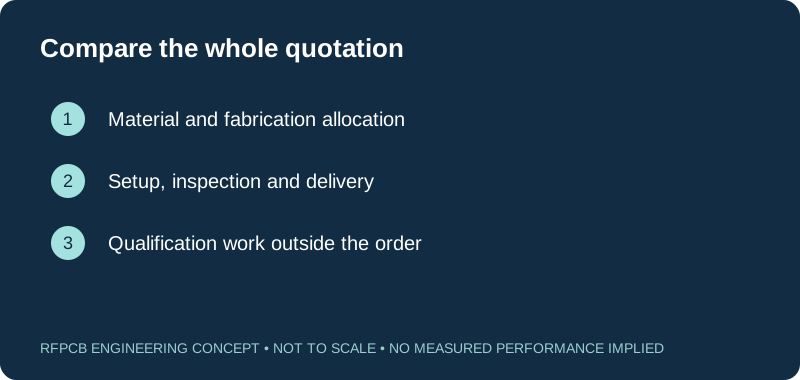
Ordinary electrical continuity testing, impedance measurements, dimensional reports and RF network measurements are different services. A special fixture or a new coupon can require engineering effort in addition to the measurement itself. Identify what is needed for acceptance and ask where it appears in the quotation.
Use the quality and test guidance to organize the evidence request. If you need assembled functional tests, describe them separately from bare-board fabrication. A low quoted board price may simply cover a different scope, so compare the deliverables before comparing the total.
Account for qualification when changing material
The cost of an alternative includes any redesign, prototypes and measurements needed to approve it. That expense is outside the bare-board order model above. A small recurring unit saving may take many orders to recover a substantial engineering qualification budget.
Use the Rogers alternative break-even calculator for that decision. Keep the approved baseline visible and compare exact material grades rather than generic brand labels. A supplier price comparison becomes useful only when the proposed builds satisfy the same acceptance requirements.
Turn the scenario into a reviewed quotation
Download the summary after entering your assumptions, then attach the fabrication package through the RF PCB quote form. Include the board revision, individual dimensions, quantity, stackup, copper, finish, test scope and delivery destination. Identify which rates are supplier quotations and which are still estimates.
Ask for confirmation of material availability, included operations, delivery terms and price validity. This page does not submit an order or guarantee a schedule. The useful outcome is a clear conversation between engineering and purchasing, with fewer assumptions hidden inside a single price.
Prepare a reviewable engineering request
Check only the requirements you have actually documented. This list records readiness; it does not inspect your files or certify a design. Missing information is useful: identify it explicitly so the engineering review can resolve it before a production release.
These inputs are processed in your browser and are not submitted by this tool. The downloaded summary is a plain-text planning record. Use the secure quote form to send files; request an NDA first if your project requires one.
Manufacturing context
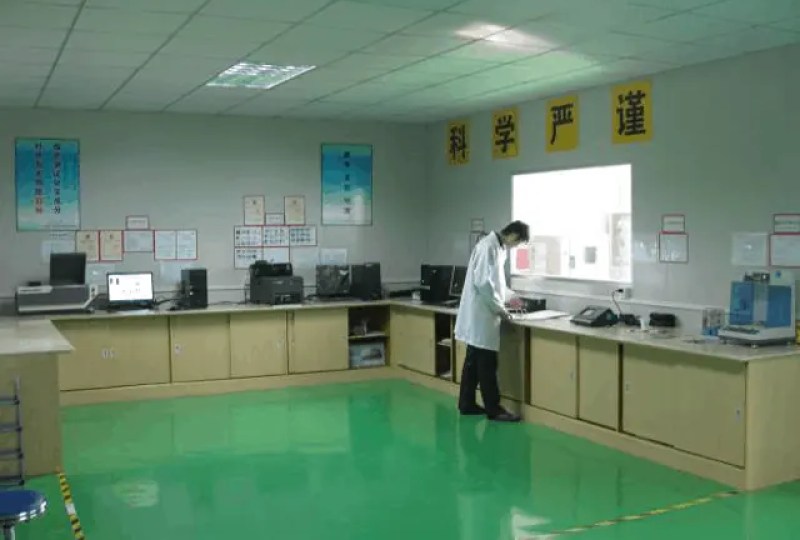
RFPCB and PCBSync share the manufacturing facility shown below. These process photographs illustrate the production environment; they are not evidence that a particular board, material grade or RF performance has been qualified. Request the documentation and inspection scope applicable to your project.


RF PCB cost FAQs
How much does an RF PCB cost?
A useful price requires the board dimensions, quantity, exact construction and acceptance scope. Use the model to organize assumptions, then request a reviewed quotation. The example total is not an advertised price for a standard product.
Are the default calculator rates current market prices?
No. They are clearly labeled demonstration inputs. Replace them with comparable quoted rates or your own planning assumptions. The tool has no live supplier inventory or price feed and does not establish a commercial offer.
Why does the total jump when I add a few boards?
The model rounds the required number of panels up. A small quantity increase can require another panel after the planning yield is applied. Actual factory nesting and costing may differ, so confirm the panel arrangement for your order.
Does the result include PCB assembly and taxes?
No. Assembly, components, taxes, duties and unlisted operations are excluded unless you explicitly account for them outside this bare-board model. Ask for a quotation that separates these items and clearly identifies what the delivered price includes.
Continue your engineering review
Get a quote based on your actual construction
Send the downloaded assumptions with the approved design files. We will review the material, manufacturing and acceptance scope before confirming a project-specific price.
Sources and engineering scope
Manufacturer values apply to the identified grade, test method and construction. Engineering examples on this page are illustrative; they are not measured product results, inventory statements or certification claims. Rogers product names are trademarks of their owner. Keep the applicable datasheet revision with your approved manufacturing package.
Ready for a quotation?
Send your requirements for a material, stackup and manufacturing review. Price and schedule are confirmed for your project.